Uber, the Graves Amendment, and the Rideshare Liability Fight
- Cactus Crossfire

- Apr 6
- 4 min read

The rideshare economy changed how people move. Uber, Lyft, and similar platforms made it easier to get from one place to another, but they also created a legal and political question that is getting harder to ignore: when something goes wrong, who is responsible?
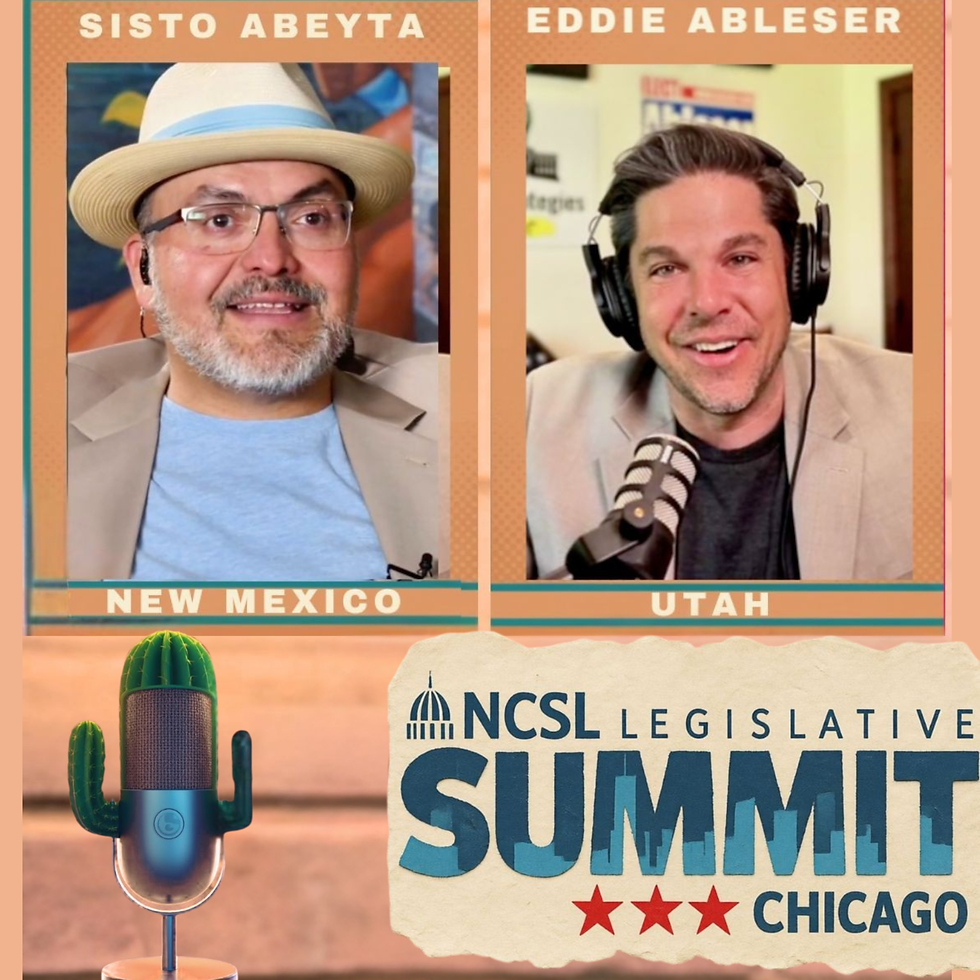
That question sits at the center of the debate around the Graves Amendment and rideshare liability, and the two hosts of Cactus Crossfire, Sisto Abeyta and Eddie Ableser, tackled it directly in Season 2 Episode 6.
What is the issue?
At the most basic level, the fight is about whether liability should stay with the driver or whether the company behind the platform should also carry more responsibility.
Cactus Crossfire co-host Eddie Ableser framed the traditional view this way: “If I happen to crash, I have a liability. I sign that off. I absorb it. And I am the one that’s liable, not Enterprise, right?” He used that example to explain why many supporters of the Graves Amendment believe liability should primarily stay with the individual driver.
He also laid out the broader concern: “Trial lawyers want to be able to sue Uber and want to be able to sue Lyft.” In his view, that could drive up insurance costs and ultimately raise prices for riders.
Why rideshare changes the conversation
Rideshare is not exactly the same as a traditional rental car model. These companies are not just handing over keys. They are operating a platform, screening drivers, setting standards, processing payments, and connecting strangers in real time.
Cactus Crossfire co-host Sisto Abeyta pushed on that distinction. He argued that these companies are not passive bystanders: “A little bit of liability there on behalf of the individual letting you utilize their platform.” That line gets to the heart of the modern policy question. If a company controls access to the system, should it also share some responsibility for what happens inside it?
The argument for driver responsibility
One side says the answer is simple. Drivers should be responsible for their own conduct. If a driver causes a crash, assaults a passenger, or acts recklessly, the liability should stay with that individual.
Ableser made that case clearly and tied it directly to consumer cost. He warned that if companies face broader liability, “the cost of insurance will rise, legal exposure will increase, and those costs will be passed directly to riders.”
He also put it in practical terms: “The price of a ride from Albuquerque to Santa Fe… could be quadrupled if the professional liability requirements were to increase significantly.”
The argument for company accountability
The other side argues that the platform cannot pretend to be neutral. If Uber, Lyft, or another company is deciding who gets to participate, then it has some duty to protect the public.
Abeyta pointed to the kinds of cases where that question becomes unavoidable: “There’s been a couple of instances where they’re now suing the application because either the driver was either mentally unstable, shouldn’t have been around people, whatever it may be in that sense of understanding who it is that they’re actually allowing to work on their platform.”
That is the accountability argument in plain language. The issue is not whether a company should be blamed for everything. The issue is whether it should be able to avoid responsibility when it fails to properly monitor who is using its platform.
The insurance question
A practical middle ground often comes down to insurance.
Abeyta explained that New Mexico had already wrestled with this issue when rideshare first emerged: “What we did do is we required for the driver to carry an additional rider of insurance.” He described that as one way to create protection without automatically shifting every claim onto the company.
He also noted that traditional cab systems already work with similar expectations: “Their drivers actually have to carry an additional set of insurance that they have to pay out of pocket.”
That kind of requirement recognizes that rideshare driving is different from ordinary personal driving and may require a different level of coverage.
Why this matters
This debate is not just about Uber or Lyft. It is about how law and policy catch up to technology.
Abeyta summed that up well: “Technology is changing, things are changing, and the safeguards have to be there to protect people in the public.” That is really the bigger takeaway. The law is trying to catch up to a business model that moved faster than regulation did.
Ableser made the economic side of that tension clear too: “Businesses have to calculate those decisions in how they price outward.” In other words, every liability rule has a real world consequence for cost, access, and public safety.
Final thought
The rideshare liability fight is really a debate about modern responsibility. Drivers should absolutely be accountable for what they do. But platforms that profit from access, control, and scale cannot act like they have no role in what happens on their watch.
Cactus Crossfire hosts Sisto Abeyta and Eddie Ableser captured that tension well. Ableser emphasized cost, overreach, and personal accountability. Abeyta emphasized public protection, platform responsibility, and the need for safeguards. Put together, the conversation shows exactly why this issue is not going away anytime soon.
The real challenge is finding a system that protects passengers, respects fairness, and keeps innovation from becoming an excuse to avoid accountability.
Have a take? Send it in. Do you disagree with us? Great. Tell us why. That’s the whole point. 🌵❌🔥
👇 Watch, listen, and join the debate:
YouTube: https://youtu.be/yaIZKjuw0wA
Website: https://www.cactuscrossfire.com
Instagram: https://www.instagram.com/cactuscrossfire/
Facebook: https://www.facebook.com/cactuscrossfire
Sisto Abeyta on Instagram: @sistoaabeyta
Sisto Abeyta on TikTok: @sisto.abeyta
Eddie on Instagram: @ezableser
Eddie on TikTok: @eddie.ableser
Reach us on socials or email info@cactuscrossfire.com


Comments